In my case, when it comes to art, the first things that come to my mind include colorful paintings, detailed sculptures and digital masterpieces. However, there is another kind of art that has never ceased to captivate my attention: typographic artworks. This fusion of the written work and the graphic artwork both enhances the aesthetic value of the pieces and make people think and reflect on what they are seeing.
What is Typographic Artwork?
Typography art or text art is another form of art where the letters and text are arranged in such a way that they depict a picture. It is a conceptual form of writing where the font, size, spaces and alignment of the text are as crucial as the content. This art can be as basic as a straight line or as detailed as a complex design that will capture the eye.
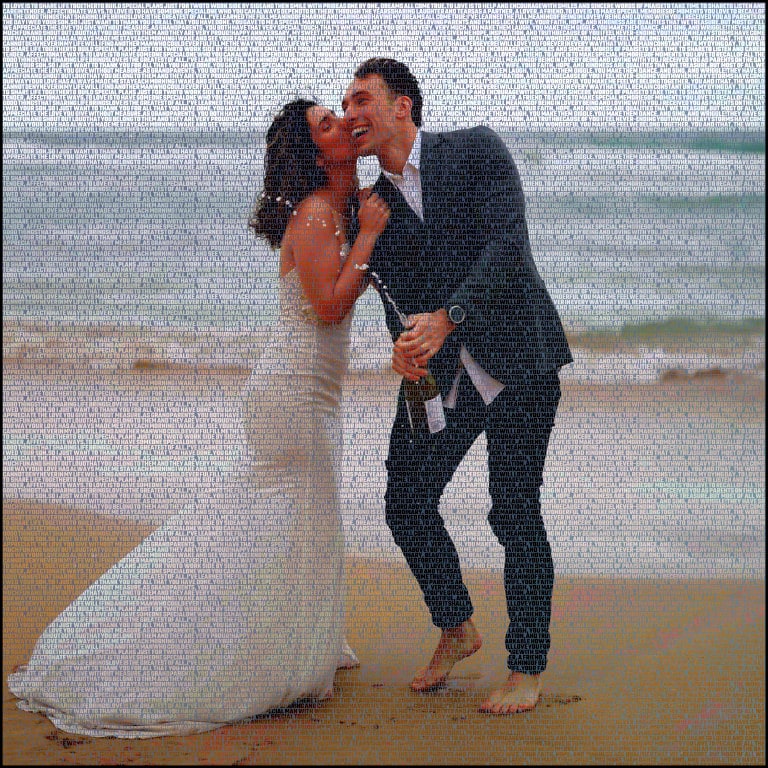
In other words, typographic artwork is about turning text into something aesthetically pleasing. It is about making something out of the ordinary out of the ordinary, transforming plain text into words.
The Origins of Typographic Art
Typography as a discipline has been in existence for a long time, dating back to the 15th century with the introduction of the printing press. However, the idea of using text as a form of visual art did not begin until the 20th century. Typography did not remain within the boundaries of design; artists started to play with words more and more.
Perhaps the most significant movement that incorporated typographic art was the Bauhaus school in Germany in the early 1920s. The artists and designers working at Bauhaus were inspired by the idea that art, craft and technology should be integrated and typography was considered as an important component. They did not only view type as means of conveying information but as a visual element that can improve the whole aesthetics of the design.
How to create a WordArt Gift
Typography art is the process of forming different types of graphics out of texts and since it is a type of art it calls for creativity, skill as well as the general knowledge of art. Here’s a glimpse into the process and the key elements involved in crafting typographic art:Here’s a glimpse into the process and the key elements involved in crafting typographic art.
1. Choosing the Right Font
Choosing the font is very significant because it provides a setting to the artwork. A thick and non-rounded font is much different than a thin and Calligraphy like font; the former might invoke perceptions of strength and the theme of the new age while the latter can represent traditions and what is proper. There are over thousands of fonts that one could use and each of them is likely to alter the feel of your artwork. It often can prove to be a challenging task to locate the most suitable font; however, it is always rewarding.
2. The last technique is Size and Scale where the toy-like effect is applied pertaining to size through the mini model.
The primary aspect in typography art is choice of size ratios of the displayed words. If the plans of the letters are very different, you can thus stress, guide the vision, and introduce dynamism in designs. Thus, large text is good for expressive messages, while small text adds messages that are best viewed in detail.
3. Exploring Layout and Composition
The position of the text is an important typographic art element that can be straight lined or curved or outlined into shapes, flexibility in alignment. The composition can be either formal or informal , geometrical or random. The objective is to design the composition in such a manner that should capture the much-required attention on the intended message.
4. Using Color and Texture
Shading is this kind of perspective that can give your typographic craftsmanship a sensational look. It can focus on some words, make differences, and view emotions. I would say that texture can enhance the design and make it more nearly perfect by adding a certain feel and touch to the overall look. Single or multiple color and the choice of texture is also a dominant factor to how effective your artwork turns out to be.
5. Incorporating Imagery
Some of the typographic artwork involve use of images whereby images can be in the background or incorporated in the text. This can serve another purpose adding to the meaning of the picture as well as increasing the aesthetic value. For example, you can challenge the audience to write a short story featuring the person in a picture, or place words on top of a photograph to explain the scene in question.
Instruments for the Trade
Modern technologies make it possible to create typographic artworks with a minimum of effort and lost of time. Here are some popular tools that artists use to create stunning typographic designs:
1. Adobe Illustrator
Adobe Illustrator is a vector tool that is commonly used in creating typography art since it is equipped with various tools that help in manipulating the text, shapes and effects. In using illustrator, the edges of the graphics are clearly stated and scalable thus preferred by professional graphic artists.
2. Photoshop
Interestingly, apart from featuring as a photo editing software, Photoshop has powerful ‘text editing.’ It is excellent for making typographic art to incorporate words and graphics; it helps in exploring various textures, colors, and effects.
3. Procreate
Procreate is iPad painting application that has received much attention belonging to the professional artists due to its convenient controls and rich functionality. It is particularly suitable for typographic drawings and trying out one or another style.
4. Canva
To sum up, Canva is one of the user-friendly online design tools that are suitable for the beginners. They provide a broad number of templates, fonts and objects and it is very simple to make nice typographical art work even with no graphic design experience.
5. Inkscape
The other software that acts as a great rival to AI is Inkscape which is another vector graphics editing software simply because it is open source and FREE. It has most of the characteristics of the other one and is ideal for developing typographic designs that are scapable.
6. Photo-to-Text
Another unique software to turn picture into words is our site. Upload your best photo, write your own text (or copy-paste one) and select some colors. In just a few seconds you will get your own picture to your words ready to purchase.
The Typographic Artwork Community
Something I particularly enjoy in the creation of typographic artwork is that it helps people to unite. It is rather easy to type words such as ‘typographic art,’ ‘typo graphic artist,’ or ‘typographical design’ into a search engine and get thousands of results of the communities online which typographic artists can join and get inspired. Here are a few places where you can connect with fellow typographic enthusiasts:
1. Instagram
Instagram is an application of graphic display that is suitable for displaying typographical artwork. It is widely employed by artists when promoting their designs and looking for inspiration, you can try using such tags as #TypographyArt, #HandLettering, #TextArt.
2. Behance
The following is an analysis of one of the CC websites: Behance is a portfolio sharing site that allows creative workers to showcase their work. It is a very good platform for finding good typography art works and also to interact with best of artists.
3. Dribbble
Dribbble on the other hand is a place where design can post their work and get some criticism. Typographic artists seem to particularly enjoy it, although virtually anyone can find inspiration and resources here.
4. Typography Forums
Several websites are particularly focused on typography; this is where people describe techniques, post their work, and seek others’ opinions and guidance. Two of the forums that are well known are Typophile and TypeDrawers.
Typography in the Regular Man’s World
Graphic art typography is not only limited to galleries and portfolios, and in fact, you see it in everyday life. Typography is used in every form of advertising and branding or book covers and even posters. Here are some examples of how typographic art is used in different contexts:
1. Branding and Logo Design
Typically, logo design can feature the use of text heavily and this greatly depends on the overall design. Font selection, how the letters are set, and utilization of the color all serve to communicate the brand and ambitions of the company. There are also some logos which are based on particular typefaces chosen, for instance, the logos of such brands as Coca-Cola and FedEx.
2. Posters and Flyers
Typography is best applied in posters and fliers since it is effective in capturing attention and passing information at a glance. Whether it is a concert ad, a film flyer, or a public awareness ad, one can perceive the desire and be enticed by the message due to typography.
3. Book Covers
Typography also explores its potential in other links, one of which is in book covers. An effective cover can lure the reader and make them get a feel of what the book contain. Typography and writing functions can be used to proceed emotions, indicate genre and early on stress significant aspects of the plot.
4. Website Design
Typography forms a core aspect of website design in the current society, whereby most information dissemination is done electronically. Proper typographic choices makes text more readable, helps to lead the sight of the user and provide unity in result. Most of the current websites have their font options and artistic texts’ formats customized to represent an interesting experience.
5. Packaging
Product packaging commonly employs the typographic art to make consumers interested and to promote the company’s ideals. Typography came into existence and found its use in the labeling for wines, beers, juices, clothes, even on the cartons of cereals.
Certainly, typographic artwork is an interesting and multifaceted phenomenon in the sphere of art that embraces written language and design methods. There is something about turning letters and words into art that is extremely appealing; be it in terms of history, versatility, or the artistic freedom involved in it is intriguing; lets take a look at text art diagramming as an art form.
It is interdisciplinary with roots going back to the printing press and with application in today’s computer operated graphics. It is a nice message to emphasize that even when it comes to letters and words, one might create something unusual. When opening your horizon to the world of typographic artwork, there is a lot out there that can be done to be as creative as possible and to touch the audience. Well, so why not give it a shot? Spend time in design specifically typography and you will begin to find yourself interested in typography.